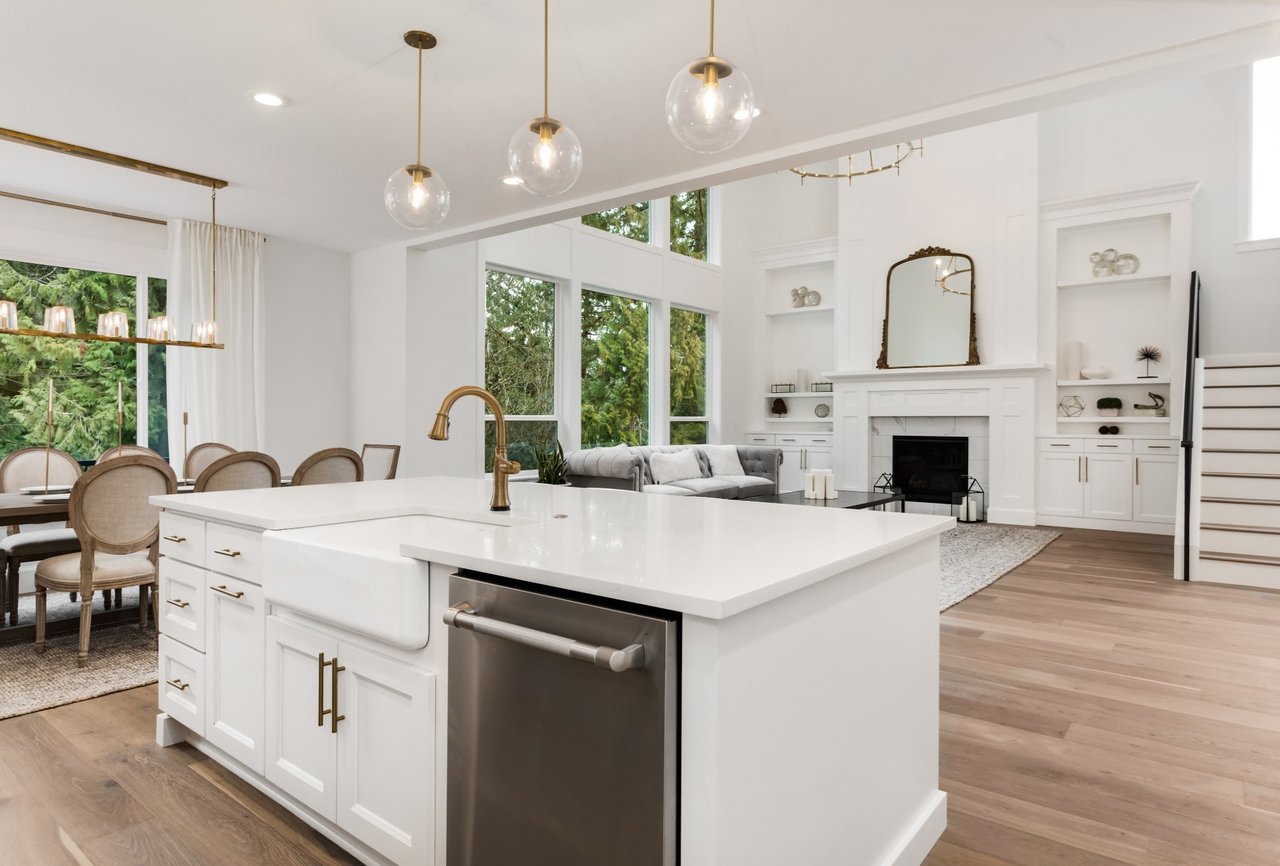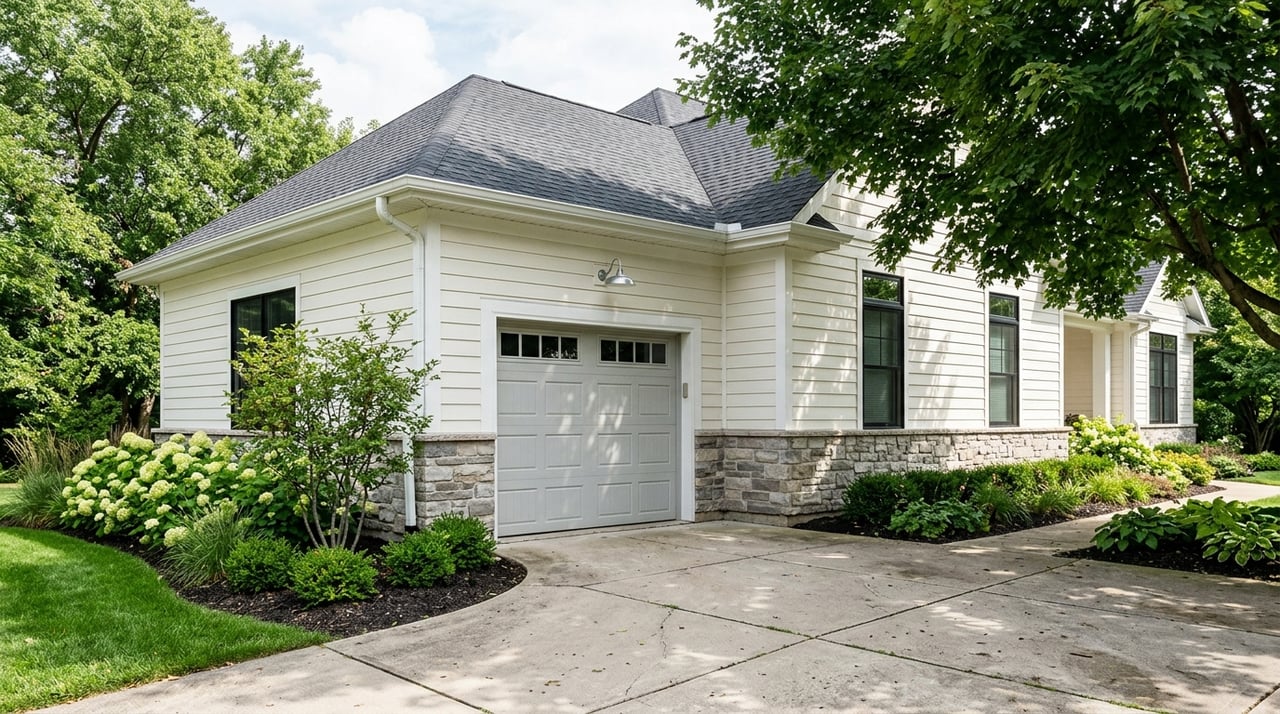
Trying to choose between a brand-new home and an existing one in Waunakee? You are not alone. In a fast-growing village where new subdivisions keep taking shape and established streets still hold plenty of appeal, the right choice depends on how you want to live, how soon you need to move, and how much flexibility you want in the process. This guide walks you through the key differences so you can compare your options with more confidence. Let’s dive in.
Why this choice matters in Waunakee
Waunakee is not a static market. According to the village’s 2025 Housing Affordability Report, it has been one of the fastest-growing communities in the Madison metro and is expected to need 2,386 additional housing units by 2040.
That growth shapes what buyers see today. In 2024 alone, village activity created 248 potential new units or parcels through subdivision plats, along with 50 single-family residential permits. If you are home shopping in Waunakee, you are likely comparing planned new-construction opportunities with resale homes in more established parts of the village.
The village’s planning approach also matters. Waunakee encourages walkability, park and recreation amenities, and compatibility with nearby neighborhoods, while phasing new housing so infrastructure can keep up. In practical terms, many new homes here are part of larger, coordinated subdivision development rather than scattered one-off builds.
What new construction offers
For many buyers, the biggest draw of new construction is choice. If the home is still early enough in the building process, you may be able to select finishes, materials, and some design features rather than inheriting someone else’s style decisions.
New homes also benefit from Wisconsin’s Uniform Dwelling Code, which applies statewide to one- and two-family homes and is enforced in all municipalities. That does not mean a new home is flawless, but it does mean the build happens within a regulated framework.
Another advantage is that newly built homes often come with a builder warranty. Coverage varies, but common terms may include about one year for many workmanship and material items, two years for systems like HVAC, plumbing, and electrical, and sometimes longer coverage for major structural defects.
What to watch with new construction
The sticker price is not always the full story. Wisconsin’s standard offer materials warn that utility hook-up costs, road or utility installation expenses, and other development-related fees may need to be verified.
Property taxes can also be tricky to estimate on a new build. The same Wisconsin forms note that actual real estate taxes at closing may differ materially from the proration estimate, so it is smart to plan your monthly budget carefully.
In some communities, you may also need to account for HOA dues or common-area obligations. Those costs can affect your monthly payment just as much as your mortgage, taxes, and insurance.
Timeline is another factor. Because Waunakee developments often move in phases and depend on public improvements like sewer, water, streets, sidewalks, utilities, stormwater systems, and street trees, your move-in date can depend on both the construction schedule and municipal approvals.
Questions to ask in a Waunakee builder community
If you are considering new construction, ask direct questions early. A clear understanding now can help you avoid budget surprises and timeline frustration later.
- What is included in the base price?
- Which design choices count as upgrades?
- What phase is the neighborhood in right now?
- When will roads, sidewalks, and final landscaping be completed?
- Are HOA dues or common-area obligations required?
- What utility hook-up or development-related costs should I expect?
- Are there recorded covenants, easements, or restrictions that could affect future exterior changes or additions?
- What does the builder warranty cover, and for how long?
Why inspections still matter on a new home
It is easy to assume a new home does not need an inspection, but that is not the best approach. Even on new construction, an independent buyer inspection remains important.
Wisconsin’s home inspection standard is limited to readily accessible systems and components, and it is not technically exhaustive. That means an inspection is valuable, but it also has limits, which makes a strong inspection contingency worth considering when you write an offer.
What existing homes offer
Existing homes often appeal to buyers who want a quicker move-in. If the home is available and financing lines up, you may be able to close on a resale property faster than waiting for a build to finish.
You may also prefer the feel of a more settled street pattern. In Waunakee, the village has said it intends to preserve and rehabilitate existing housing stock, especially in the central part of the village, which reinforces the ongoing value of established homes in the local market.
For some buyers, resale also makes it easier to evaluate the setting. You can see the mature landscaping, traffic flow, lot use, and overall neighborhood rhythm as it already exists rather than imagining what it will look like once construction is complete.
What to watch with existing homes
With a resale home, maintenance history matters. The purchase price is only part of the cost of ownership, so you will want to look closely at likely near-term repairs and replacement needs.
A general home inspection is a big part of that process, but it is important to understand what an inspection does and does not do. Under Wisconsin standards, inspectors are not required to provide a warranty, predict future failure, inspect pests or hazardous substances, or perform a technically exhaustive review.
That is why buyers often ask deeper follow-up questions about the age and condition of major systems. Roof, furnace, air conditioning, water heater, windows, and other major components can all affect your short-term and long-term budget.
Wisconsin disclosure rules for resale homes
One area where existing homes differ from new construction is disclosure. In Wisconsin, owners of most one- to four-unit residential properties must provide a Real Estate Condition Report.
That report can give you a clearer starting point for evaluating the property’s condition and any known defects or repairs. Sales of homes that have never been inhabited are excluded from that requirement, which is one reason the information flow often feels different when you compare new construction with resale.
Questions to ask when buying an existing home
If you are leaning toward a resale home in Waunakee, these questions can help you make a more complete comparison.
- How old are the roof, furnace, air conditioner, water heater, windows, and other major systems?
- What does the Real Estate Condition Report disclose?
- Are there any repairs or defects that need follow-up questions?
- Should you order specialist inspections or testing beyond the general inspection?
- How do current property taxes compare with what a new owner may pay after reassessment?
- Are there easements, zoning limits, or recorded restrictions that could affect your future plans for the property?
New construction vs existing homes
If you want more customization, newer systems, and a planned-community setting, new construction may be the better fit. This path often works well if you have some timeline flexibility and want a home that reflects your style from the start.
If you want a faster move, a more established neighborhood feel, and a property you can evaluate in its current condition right away, an existing home may make more sense. This path can be especially attractive if you value certainty around the street layout, surrounding homes, and day-to-day setting.
In Waunakee, both options are relevant because the village is growing while also maintaining older housing stock. That means your best choice is less about which option is universally better and more about which option best fits your priorities.
How to decide what fits you best
Start by ranking your top priorities. Ask yourself whether customization, speed, monthly cost predictability, neighborhood maturity, and maintenance risk matter most to you.
Then compare each home beyond the listing price. New construction may come with upgrade costs, HOA dues, and development-related expenses, while existing homes may come with repair or replacement costs sooner than you expect.
Finally, think about your timeline and tolerance for uncertainty. If you need a quicker move, resale may offer a simpler path. If you are comfortable with a phased development schedule and want the benefits of a newly built home, new construction could be worth the wait.
Whether you are relocating to Waunakee, moving up locally, or weighing your next chapter in Dane County, a side-by-side comparison can make the decision much clearer. If you want help sorting through neighborhoods, builder communities, or resale opportunities, The See Team is here to guide you with local insight and steady support.
FAQs
What is the main difference between new construction and existing homes in Waunakee?
- New construction in Waunakee often offers more customization and newer systems, while existing homes often offer faster move-in and a more established neighborhood setting.
What extra costs should buyers expect with new construction in Waunakee?
- Buyers should ask about utility hook-up costs, road or utility installation fees, HOA dues if applicable, upgrades beyond the base price, and possible differences between estimated and actual property taxes.
Do buyers need an inspection on a new construction home in Wisconsin?
- Yes. An independent inspection is still important because even a new home can have issues, and Wisconsin inspection standards are limited to readily accessible systems and components.
What disclosures do buyers receive on existing homes in Wisconsin?
- For most one- to four-unit resale properties, sellers must provide a Real Estate Condition Report that shares known condition issues, defects, or repairs.
Is Waunakee seeing more new housing development?
- Yes. The village’s 2025 Housing Affordability Report says Waunakee has been one of the fastest-growing jurisdictions in the Madison metro and will need significant additional housing by 2040.
How can buyers compare builder communities and established neighborhoods in Waunakee?
- Buyers should compare timeline, total monthly costs, warranty coverage, restrictions, infrastructure completion, maintenance expectations, and how each option fits their move-in goals and lifestyle needs.