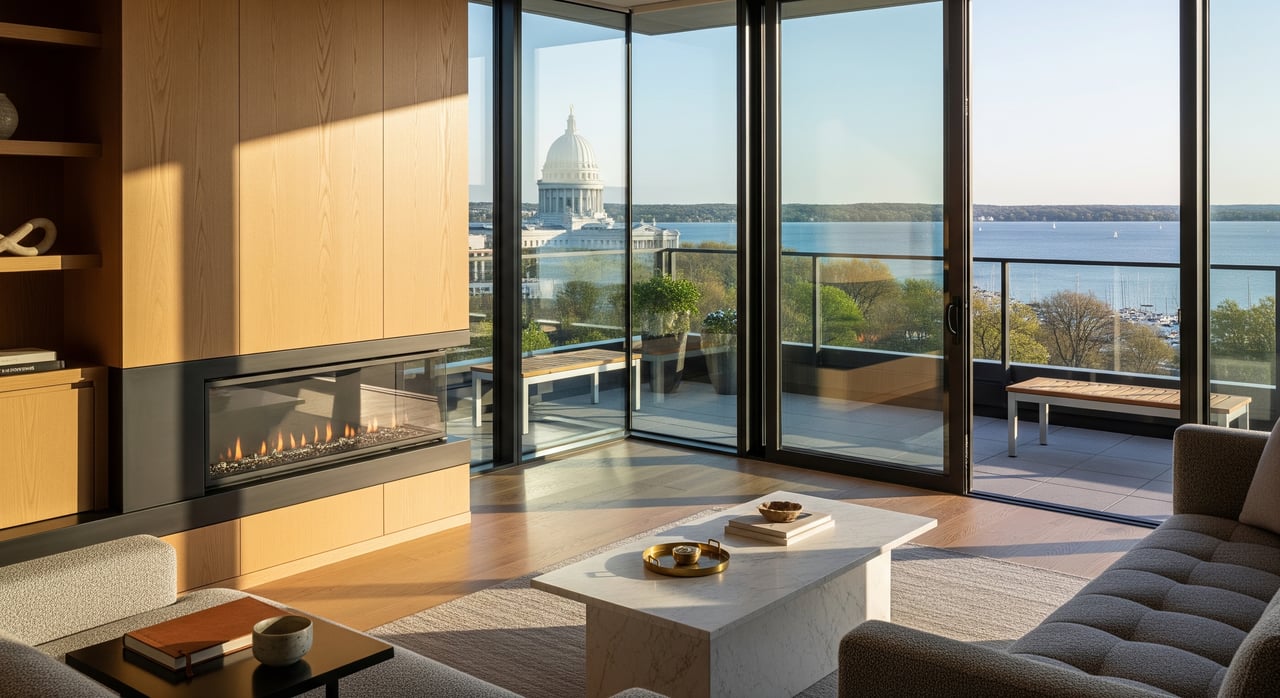
Picture this: you step out your door, the Capitol dome glows at sunrise, and your coffee shop, lake path, and bus stop are all a short walk away. If you’ve wondered what life actually looks like in downtown Madison through every season, you’re not alone. You want the energy, the convenience, and the lakes, but you also want a clear view of the tradeoffs. In this guide, you’ll learn how daily routines flow, what housing really looks like, how you’ll get around, and how seasons shape life on the isthmus. Let’s dive in.
Where downtown Madison is
Downtown Madison sits on the isthmus between Lake Mendota and Lake Monona, centered on the Wisconsin State Capitol and State Street. You’ll find major cultural anchors close by, including the Overture Center for the Arts, the Madison Museum of Contemporary Art, and Monona Terrace. The University of Wisconsin–Madison edges the northwest side, shaping the area’s rhythm and range of businesses. The footprint is compact and very walkable, with many homes 10 to 20 minutes from the Capitol Square on foot.
What daily life feels like
Morning routines and errands
On a typical weekday, you can grab coffee along State Street or near Capitol Square, then walk to work or hop a bus. Everyday stops like pharmacies and clinics are close, but full-scale supermarkets are fewer inside the core. Many residents pair small markets with occasional trips to larger grocery stores just off the isthmus. With so much within reach, you’ll likely do most errands on foot or by bike.
Arts and events nearby
Capitol Square is the city’s gathering place for concerts, civic events, and weekend traditions like the Dane County Farmers’ Market during the growing season. Galleries and performances at the Overture Center keep the calendar active year-round. Spring through summer is festival season, so you’ll see more street closures and food vendors on warm weekends. Schedules change year to year, but the Square and State Street remain the social heart.
Lakes and parks year-round
Living here means fast access to both lakes. James Madison Park fronts Lake Mendota for sunny afternoons, and Tenney Park’s paths and pool are an easy bike ride away. The Memorial Union Terrace is open to the public and makes a relaxed perch for sunsets. In summer you can paddleboard, bike the shoreline, and swim at nearby beaches. Winter shifts to ice fishing, skating, and cross-country skiing in parks when conditions allow.
Housing options and tradeoffs
Apartments and condos
You’ll see a mix of apartment buildings, student-oriented properties, historic homes converted to multi-unit housing, and newer mid-rise infill. Converted homes often have character, smaller floor plans, and quirky layouts. Newer buildings add elevators, in-unit laundry, and fitness rooms, but availability can be competitive. Expect a premium for walkability and proximity to the Capitol and campus.
Ownership considerations
If you’re buying a condo, factor in HOA fees, building rules, and maintenance plans. Older conversions may have different mechanical systems and potential special assessments. Many condo buildings limit short-term rentals, so review policies closely if you plan to host. For ground-floor mixed-use buildings, consider how commercial activity affects noise and foot traffic.
When to shop and timing
Demand rises and falls with the academic calendar. Fall move-ins and spring move-outs create turnover, especially for rentals. If you’re flexible, you can time your search ahead of the peak season for more options. For buyers, inventory can be lean near the Capitol, so a clear plan and quick decision-making help.
Getting around without the stress
On foot and by bike
Walkability is a signature perk of downtown life. Sidewalks, lake paths, and bike lanes make it easy to skip the car for daily errands. Many residents bike to work in all seasons. Winter biking is common, but you’ll want proper gear, lights, and a safe storage spot for your bike.
Bus and regional access
Madison Metro Transit runs frequent routes through the core and toward the university. For regional trips, Dane County Regional Airport sits a short drive from downtown. If you travel often, it’s easy to reach the airport by car or shuttle without crossing the entire metro area.
Driving and parking
Driving to and from downtown is straightforward, but expect congestion on key arteries at rush hour. Parking is a different story. You’ll find metered street parking, timed zones, residential permits, and municipal ramps, but space is tighter and often pricier than in suburban neighborhoods. Many car owners rent or purchase a reserved stall in a ramp or garage for peace of mind.
Seasons shape your routine
Spring and fall
Spring can swing from crisp mornings to muddy park trails, and it’s when outdoor events return to the Square. Fall brings cooler days and a busy campus, plus ideal weather for lakeside walks. You’ll appreciate layers and a good rain jacket as temperatures change.
Summer
Summer is peak downtown. You’ll see patios open, festivals in full swing, and a steady hum of people on State Street. It’s the best time for paddleboarding, bike rides along the shore, and long evenings at the Terrace. Plan for more street activity and occasional event-related road closures.
Winter realities
Madison winters are cold and snowy, so you’ll navigate snow removal, winter parking rules, and icy sidewalks. Most residents adapt with warm boots, traction cleats, a reliable transit plan, and indoor fitness options. Restaurants remain active, though outdoor dining pauses until spring.
Safety, noise, and choosing blocks
Downtown has high foot traffic and a lively nightlife scene, which can come with property crimes like bike or vehicle break-ins on some blocks. Noise from bars and restaurants is common near student areas and State Street. You can still find quieter streets a few blocks off the action, or choose a building with solid sound insulation. Crime patterns vary by block and over time, so it’s smart to learn the immediate area before you decide.
Families, schools, and nearby options
Downtown addresses are served by the Madison Metropolitan School District, and specific school assignments depend on your exact location. The immediate core has fewer K–8 buildings than many suburbs. Some families choose nearby neighborhoods like Tenney-Lapham or Marquette for larger homes and different school access while staying close to downtown amenities. If you prefer the isthmus lifestyle, a condo or townhouse within walking distance may fit your needs.
Practical living tips
Utilities, pets, and systems
City services handle trash, recycling, and winter parking regulations, so check rules for your specific block. Older buildings may use different heating systems, which affects winter comfort and costs. Pet policies vary by building, and many parks and lake paths welcome leashed dogs. Clarify pet fees and weight limits before you sign.
A quick checklist before you commit
- Visit at different times of day to gauge noise, foot traffic, and lighting.
- Ask about soundproofing, window age, and HVAC type in older buildings.
- Confirm storage for bikes, kayaks, and seasonal gear.
- Review parking options, permit rules, and ramp availability.
- For condos, read HOA documents, fees, and special assessment history.
- Note grocery access and your plan for larger shopping trips.
- Understand winter parking rules and snow removal routines for your block.
Is downtown a fit for you?
If you want walkability, arts, and lake life at your doorstep, downtown Madison delivers. You trade larger yards and quiet streets for energy, convenience, and a strong sense of place. With a clear picture of housing types, seasonal rhythms, and daily logistics, you can choose a block and building that match your lifestyle. If you’re weighing options across the isthmus and nearby neighborhoods, personal guidance makes all the difference.
Ready to explore condos, townhomes, and nearby single-family options with a team that knows the blocks, the buildings, and the seasonal timing? Reach out to The See Team for warm, responsive support and Compass-powered resources that make your move smoother.
FAQs
Is downtown Madison safe for residents?
- Safety varies by block. Downtown has more nightlife and foot traffic, which can correlate with property crimes like bike or vehicle break-ins. Visit at different times and learn the immediate area before you choose.
Can you live downtown without a car?
- Yes. Downtown is very walkable and bikeable with strong bus connections. Many residents live car-free, though a car helps for bigger errands or family logistics outside the isthmus.
Where do downtown residents shop for groceries?
- You’ll find small markets and convenience options in the core and larger supermarkets a short drive or bus ride away. Many people do quick daily shops nearby and stock up weekly off the isthmus.
What is winter like in downtown Madison?
- Expect cold, snow, and winter parking rules. Sidewalks can be icy, but businesses stay open and transit runs. Most residents adapt with good gear, a transit plan, and indoor fitness.
How student-heavy is downtown near State Street?
- Areas near State Street and certain apartment clusters feel more student-oriented. Other blocks are more mixed with professionals and long-term residents. Touring specific streets helps you find the best fit.
What parking options do owners and renters have downtown?
- Street meters, timed zones, and residential permits are common, plus municipal ramps. Many residents rent or buy a reserved stall in a ramp or building garage for reliable parking.
Are there family-friendly housing options near downtown?
- Yes. Some families choose condos or townhomes within the core, while others pick adjacent neighborhoods like Tenney-Lapham or Marquette for larger homes and quick access to downtown.
What should condo buyers know about HOAs downtown?
- Review fees, building rules, rental policies, and maintenance plans. In older conversions, ask about system updates and any special assessments so you know future costs.